
BCG Skillbuilding at NGS 2026
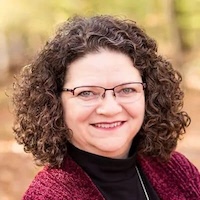
Angela Packer McGhie, CG® on "The Genealogical Power of Federal Land Records"
Please welcome guest blogger - Annette Burke Lyttle, CG®
Federal land records are far more than descriptions of acreage, townships, ranges, and patents. In the hands of a skilled teacher, they become evidence of movement, opportunity, military service, family relationships, citizenship, neighborhood connections, and the making of communities. Angela Packer McGhie, CG, FUGA, brought that fuller vision to her Board for Certification of Genealogists Skillbuilding Lecture, “Claiming America: Federal Land Records and the Nation’s Growth.”
Timed to the nation’s 250th anniversary, Angela’s presentation placed federal land records within the larger story of American growth while keeping the focus on the people whose lives created the records. Angela said, “The story of the land influences the story of the people.” She reminded researchers that the public domain eventually encompassed more than 1.8 billion acres and that the transfer of land from federal ownership into private hands produced records rich in genealogical value. One of the strengths of Angela’s approach is the way she connected law, history, and methodology. She began with the origins of the public domain, including the Land Ordinance of 1785 and the Public Land Survey System. For many genealogists, rectangular survey descriptions can feel technical and intimidating. Angela’s framing helped researchers understand why those descriptions matter and how the federal survey system shaped the landscape of much of the Midwest and West.
The lecture also traced the major federal land policies that created distinct record sets for genealogists to explore. Angela’s summary of these laws gave researchers a practical way to recognize what kind of file may exist and what information it may contain.
Especially valuable was her emphasis on the people behind the paperwork. She highlighted several applicant types, including Revolutionary War bounty land veterans, War of 1812 claimants, preemption claimants, homesteaders, and female claimants. This structure helps genealogists move beyond a one-size-fits-all understanding of land records. A bounty land warrant may point toward military service and heirs’ testimony. A homestead file may reveal residence, cultivation, improvements, and neighbor affidavits. A woman’s land claim may preserve her name and legal identity in a federal record at a time when many other records did not.
Angela also gave researchers a clear path forward, beginning with the Bureau of Land Management’s General Land Office Records website, then using the information found there to request the original land entry case file from the National Archives. The richer evidence is frequently in the original case file, where applications, affidavits, final proof testimony, naturalization evidence, and witness statements may appear.
The presentation’s final message was both patriotic and personal. As America marks 250 years of independence, McGhie invited genealogists to see federal land records as part of the nation’s larger autobiography. Every patent represents a transfer of land, but every case file may also preserve a family’s hopes, hardships, community ties, and claims to belonging. These are records of law and policy, but they are also records of ordinary people building lives on the land.
For genealogists committed to sound research, McGhie’s lecture offered both inspiration and practical guidance. It encouraged us to search beyond indexes, request original files, correlate land evidence with military, naturalization, census, tax, deed, and local records, and then use that evidence to tell better family stories. In doing so, she demonstrated exactly what a BCG Skillbuilding Lecture should do: strengthen method, deepen historical understanding, and remind us why careful research matters.
Annette Burke Lyttle, CG® is a Florida-based professional genealogist who specializes in the Midwest and Northeast regions. She has been a board-certified genealogist since 2024.